









Free written scope consultation - allowances, timeline, and change-order rules on paper before a single trade is scheduled
Jerith Windows & Doors: The San Francisco Owner’s Guide
We stock and install Jerith-compatible windows and doors throughout San Francisco, with most replacement parts running $470 to $2,950 installed depending on the component. If you’re calling us, it’s usually because a door has started dragging against its track, a latch no longer catches cleanly, or a window crank spins without moving the sash. Those are the calls we get most often from homeowners in the Sunset District, the Richmond, Noe Valley, and out toward the Bayview. Jerith makes a solid aluminum and steel product line, but coastal air, window fog, and years of daily use take their toll on specific wear points before anything else. This page tells you exactly what fails, what it costs to fix, and what we keep on the truck so the job doesn’t stretch into a second visit.
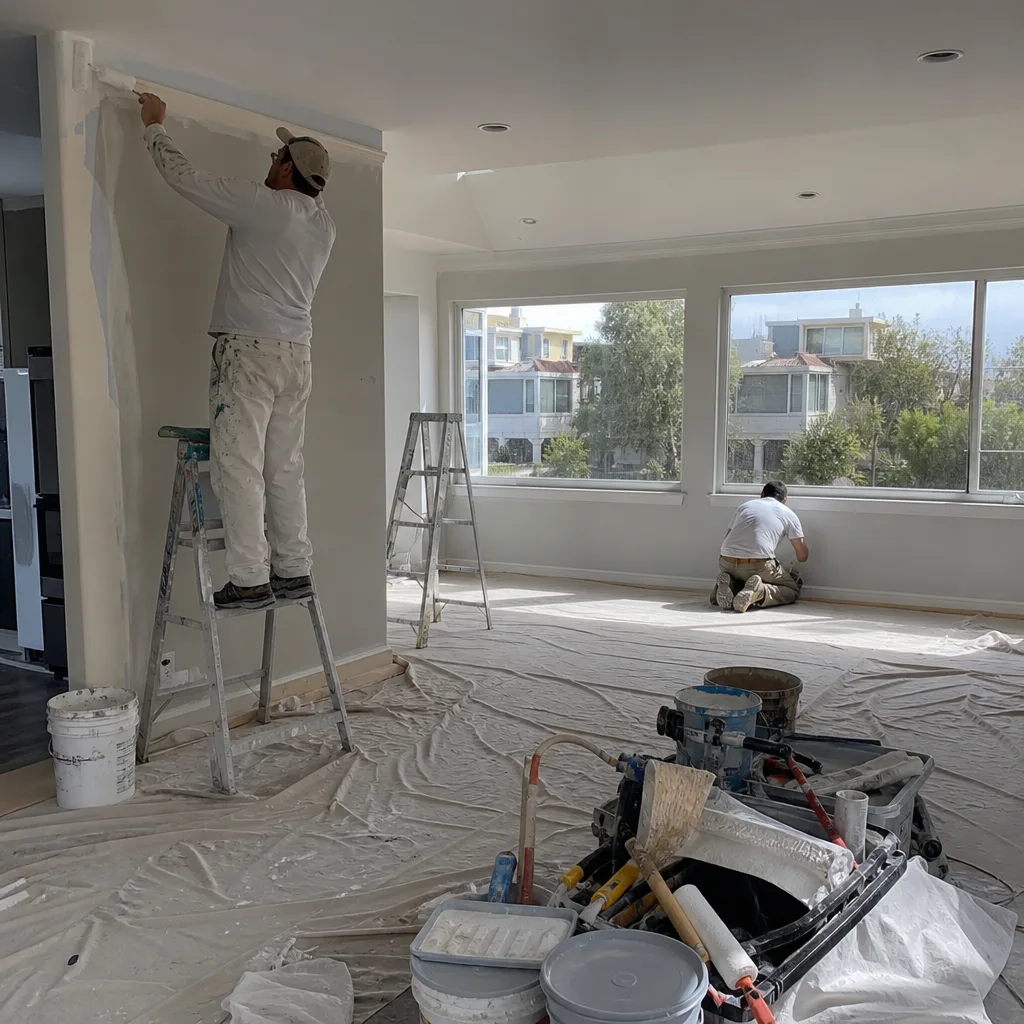
We’re an independent San Francisco remodeling contractor, not a Jerith factory affiliate. That matters because it means we recommend the part that actually fits your door or window, whether that’s a factory original or a quality aftermarket equivalent we’ve installed and stood behind for years.
Key takeaways:
- Jerith window and door parts in San Francisco typically run $470 to $2,950 installed, with most single-part replacements landing under $1,200.
- The most common failures are rollers, latches, weatherstripping, and crank assemblies, not the frames or glass.
- We carry common Jerith-sized rollers, latches, and weatherstripping on the truck, so many repairs are one visit.
- Graham Stein writes out every cost before any work starts, so the price you approve is the price you pay.
Which Jerith Models This Applies To

Jerith’s residential line in California centers on aluminum sliding glass doors, hinged patio doors, and anodized aluminum window frames. Most Jerith doors built since the late 1990s use a standard 1¼-inch roller assembly, but the critical measurement isn’t the wheel diameter alone. You’ll want to check the housing height and the mounting screw spread, because Jerith changed roller housing dimensions across its 300 and 400 series doors. A roller that looks identical in a catalog photo will not seat properly in the wrong series track. The quickest way to identify your model: open the door and look at the interior side jamb near the strike plate for a small silver tag with a series number. Ours usually read “J-300,” “J-400,” or a five-digit serial starting with 93 or 97.
For latches, Jerith uses a mortise-style aluminum latch with a 45-millimeter backset on most sliding doors. The aftermarket versions work fine, but watch the strike plate profile: Jerith strikes have a slight radius on the leading edge that generic flat strikes don’t match, which is why a replacement latch can feel like it “catches” but never seats flush. We keep OEM-quality aftermarket equivalents on hand and order factory parts for the handful of cases where the aftermarket option just will not sit right.
Styles & brands we work with







Signs Your Jerith Windows & Doors Are Failing
- The door drags or grinds when you slide it. The steel bearing inside the bottom roller has seized, usually from San Francisco moisture working past the dust cap over several seasons. The roller stops rolling and starts scraping the aluminum track instead. Left alone, it scores the track, and then you’re replacing the track as well.
- The door handle moves but the latch won’t fully engage. The spring inside the mortise latch has rusted through or the internal pawl has worn down. This is common within three blocks of the ocean, where salt air accelerates the wear. You’ll notice the door bounces open when the wind hits it, or it never sits fully closed.
- Air leaks around the door’s edges, and you can see daylight through the weatherstripping. Jerith’s original pile weatherstripping compresses after about eight to twelve years in San Francisco’s damp winters. When it flattens, that gap lets fog-moist air through and drives heating costs up in the Sunset and Richmond districts.
- A crank window turns freely but the sash doesn’t move. The crank’s plastic or zinc gear teeth have stripped, usually because the window’s sliding channel needed cleaning and the operator kept pushing against friction. The crank still spins, but the gear no longer engages the arm.
- The door is out of alignment in the frame, showing a wider gap at the top or bottom. The top rail’s adjustment screw has backed out, or the bottom rollers have worn unevenly. You can often adjust this without replacement, but if the roller’s wheel has a flat spot, the adjustment only buys you a few weeks.
See the difference
 Before
 After
After Before
 After
After Before
 After
AfterReplacement Cost & What’s Included

Most Jerith window and door part replacements in San Francisco fall between $470 and $2,950 installed, depending on the part and how much of the surrounding hardware has to come apart to reach it. Here’s what we typically see:
| Service | Installed Price Range |
|---|---|
| Roller replacement (sliding door, pair) | $650 – $1,850 |
| Latch and strike replacement | $470 – $1,150 |
| Weatherstripping (full door perimeter) | $590 – $1,420 |
| Crank operator replacement (casement window) | $530 – $1,300 |
| Full window replacement (Jerith-compatible) | $5,310 – $17,700 |
The range depends on whether we’re swapping a single part on a clean track or pulling the door off its rails because the track itself is scored. Parts plus labor are quoted separately on your written estimate, so you’ll see exactly what the roller costs and what the hour of labor costs. Every Jerith replacement part we install carries our workmanship warranty, and the written price is fixed before we start. If we open up the door and find the track is worse than expected, the charge stays on the original quote unless you approve a change in writing first.
For a full window replacement, your project falls under our standard window replacement pricing: $5,310 to $17,700 in San Francisco, depending on the number of windows, size, and what’s behind the frame.
DIY or Call Us?
There are a few things you can safely check on your own before anyone comes out. Look at the bottom track: if it’s packed with sand and debris, vacuum it out without removing any hardware. Check whether the door sits level using a bubble level on the top edge. And if the latch is the issue, you can safely unscrew the faceplate and look at whether the small spring inside is still connected. But rolling doors under tension and crank mechanisms with stored spring force are not safe to fully disassemble without knowing what you’re reaching for. Sliding glass panels are heavier than they look, and a patio door panel that tips off its rail can fall fast. Crank assemblies hold tension on the arm even when the window is closed. If you’ve confirmed the part number or the symptom, call us at (831) 480-4497 and we’ll put you on the schedule. Graham’s team will come out, confirm what’s actually worn, and give you a written price before any work begins.
FAQs

Jerith aluminum frames and glass typically last 25 to 35 years in San Francisco, but wear parts like rollers, latches, and weatherstripping have a shorter service life, usually 7 to 12 years in our coastal climate. Salt air accelerates rust on steel roller bearings, especially in the Sunset and Richmond districts. If your door is original to a house built in the early 2000s, expect the first round of hardware replacement somewhere around now. Call (831) 480-4497 if you want us to look at the specific wear on your door.
Some parts can be reconditioned, but it honestly depends on the component. A roller with a flat-spotted wheel cannot be repaired; the steel-bearing seat is already gone. A latch with a broken internal spring can sometimes be re-sprung, but by the time we’re inside the mortise pocket, the labor is within $40 of installing a new latch. Weatherstripping never gets repaired; it gets replaced. We’ll tell you which category your part falls into on the free estimate call at (831) 480-4497.
Most single-part replacements, like a roller pair, a latch, or a section of weatherstripping, take 90 minutes to two hours once the technician is at your home. We carry common Jerith-sized rollers, latches, and weatherstripping on the truck, so the job is usually done in one visit. If your door’s track is scored and the replacement requires a track section, that’s a half-day job and a special-order part. Our scheduler can confirm the timeline when you call (831) 480-4497.
Yes. Our San Francisco service trucks carry Jerith-compatible rollers, latches, crank operators, and weatherstripping in the most common series sizes, so most replacement jobs can be completed the same visit. For uncommon series numbers or factory-only components, we order directly and schedule the install for when the part lands, which is typically 5 to 10 business days. We’ll confirm parts availability and lead time when you call (831) 480-4497 for your free estimate.
Written by Graham Stein, Owner, Elmstead Remodeling San Francisco at Elmstead Remodeling San Francisco, serving San Francisco and nearby areas.


