







Free written scope consultation - allowances, timeline, and change-order rules on paper before a single trade is scheduled
Abodu Kitchen Remodeling: The San Francisco Owner’s Guide
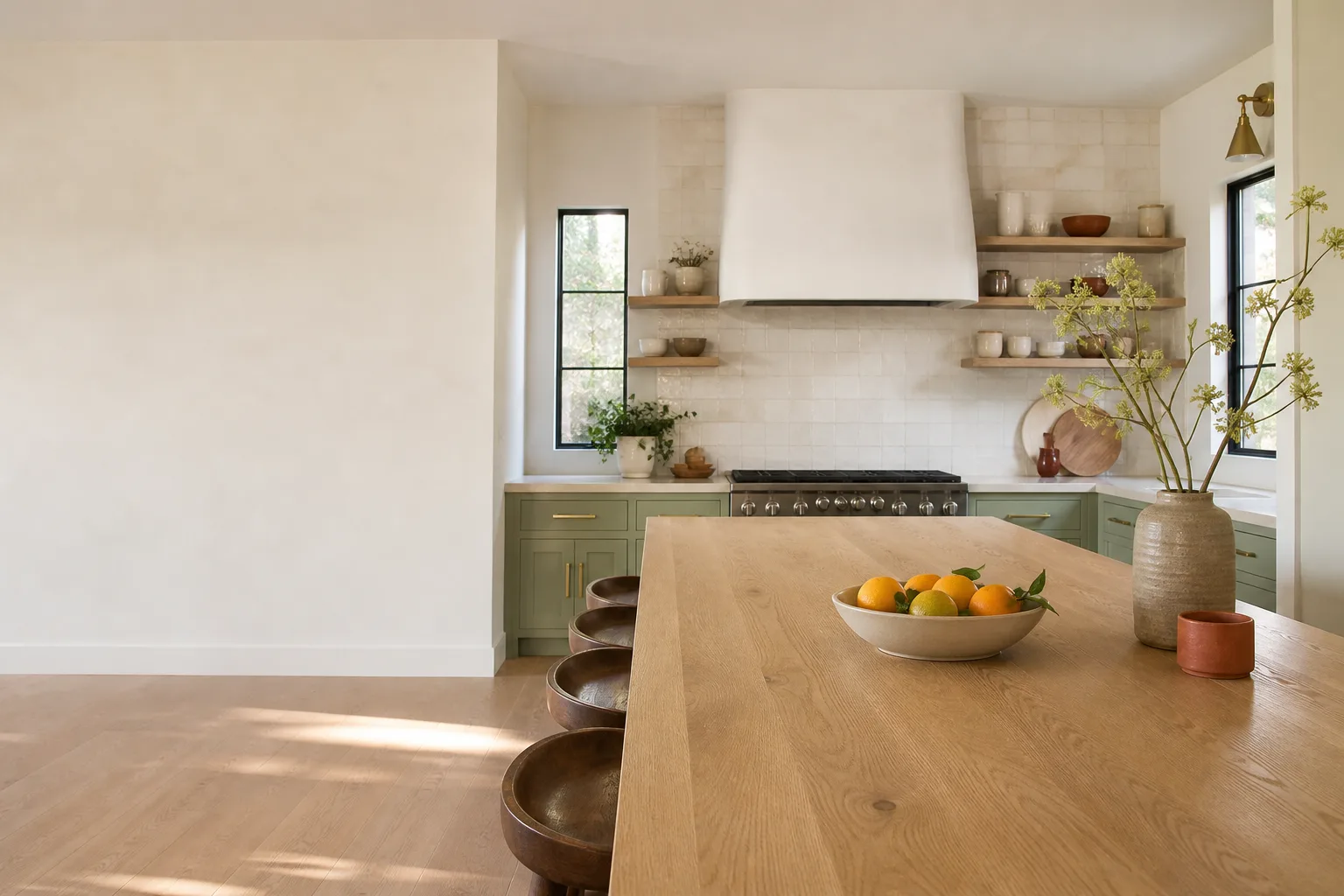
If your Abodu kitchen is showing real wear – failing cabinet hardware, delaminating countertops, drawers that bind, finishes that have dulled or chipped – we install Abodu-compatible kitchen remodeling in San Francisco with full written pricing before any work begins. A full Abodu kitchen remodel in San Francisco typically runs $16,520 to $53,100 depending on cabinet scope, countertop material, and whether plumbing or electrical moves are involved. Most owners first notice the signs in the quiet moments: a drawer that catches on every third pull, a corner of laminate lifting near the sink, or a cabinet door that no longer closes flush against the frame.
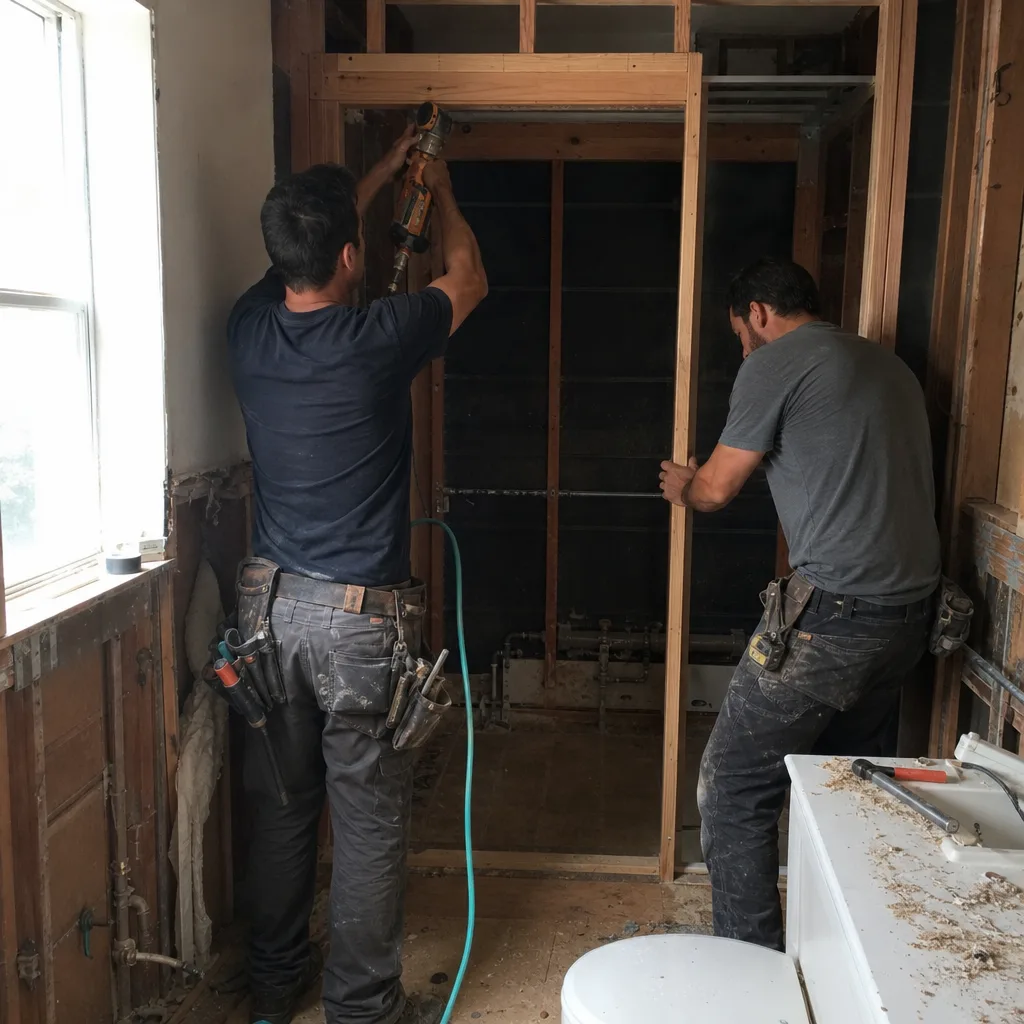
We’re an independent remodeling contractor, not affiliated with Abodu. That matters because we’re free to match your existing Abodu kitchen with the right materials and hardware from brands like KraftMaid, Cambria, and Silestone – and to tell you honestly when a repair makes more sense than a replacement.
Which Abodu Models This Applies To

Abodu’s kitchen systems vary by build year and model, and that’s the first thing we check on a walkthrough. Older Abodu units in San Francisco Bay Area locations often shipped with compact cabinet boxes, 32mm European hinge drilling, and laminate counters with a specific edge profile. Newer units moved to soft-close hardware and different drawer slide spacing. If you’re seeing wear, write down the code on any cabinet hinge or drawer slide – most Abodu-compatible hardware carries a brand stamp from Blum, Grass, or Hettich, and that stamp tells us the exact replacement series without guesswork.
The OEM versus aftermarket decision depends on what’s failing. For hinges and slides, we use the same European brands Abodu specified – no need to downgrade. For countertops and cabinet boxes, this is where San Francisco owners often choose an upgrade path: Cambria or Silestone quartz in place of a worn laminate, or full-extension soft-close drawers where original equipment used basic rollers. Compatibility isn’t a barrier; it’s a measuring exercise. We take precise box dimensions before any order goes in, and we check adjacent clearances so a new countertop overhang doesn’t crowd a doorway or an island doesn’t block a walkway that used to feel open.
Styles & brands we work with







Signs Your Abodu Kitchen Remodeling Is Failing
- Drawer slides that catch, squeak, or drop one side. The ball bearings in budget roller slides wear unevenly, especially in a kitchen that sees daily family use. A drawer that needs a shove to close has already lost its alignment, and the fix is usually a full slide replacement rather than a spray of lubricant.
- Laminate peeling or bubbling at the counter edges. Moisture gets under the laminate at the sink seam or along the front edge, and once that bond breaks it spreads. In San Francisco’s damp, fog-cooled air, this happens faster than in drier climates because the particleboard core never fully dries out.
- Cabinet doors that won’t stay closed or hang crooked. The hinge cup or mounting plate has worn or pulled loose from the cabinet box. Tightening the screw works for about a week in a particleboard core; the real fix is a new hinge with a dowel repair or a larger mounting plate.
- Soft-close mechanisms that slam. Soft-close dampers are small hydraulic cylinders, and they fail on a calendar, not a mileage schedule – usually at the four-to-six-year mark in a kitchen with kids opening and closing doors constantly. When the damper dies, the door slams, and the slamming accelerates wear on the hinge itself.
- Discolored or swollen cabinet boxes under the sink. A slow drain leak or a garbage disposal that sprays water onto the cabinet floor will swell the particleboard. Once the box is swollen, that cabinet is structurally failing, and any new hardware installed on it will pull out.
See the difference
 Before
 After
After Before
 After
After Before
 After
AfterReplacement Cost & What’s Included
In San Francisco, an Abodu kitchen remodel with Elmstead Remodeling runs $16,520 to $53,100. The range is wide because Abodu kitchens vary so much in footprint – a galley kitchen in a Sunset District unit lands on the lower end, while a larger kitchen with an island and new countertops throughout pushes toward the higher end.
| Scope | Typical Range |
|---|---|
| Full Abodu kitchen remodel | $16,520 – $53,100 |
| Small Abodu kitchen remodel | $10,620 – $23,600 |
| Cabinet installation (replacement only) | $4,720 – $15,340 |
| Countertop installation | $2,360 – $7,670 |
| Backsplash installation | $945 – $2,950 |
| Kitchen island installation | $3,540 – $11,800 |
Every quote on an Abodu kitchen remodel includes the written price before any work starts. That price names the cabinet line, the countertop material and edge profile, the hardware series, the haul-away of the old materials, and the labor to install it all. Shoe covers and drop cloths go down on every visit, not as an add-on. The 365-Day Done Right Promise covers the finished work – if something isn’t right within a year of completion, we make it right.
DIY or Call Us?
Some Abodu kitchen fixes are genuinely safe for a careful homeowner: tightening a loose hinge screw, adjusting a hinge’s side-to-side alignment with a Phillips screwdriver, or cleaning a dirty slide with a dry cloth and re-greasing with a silicone spray. Those are maintenance tasks, and they don’t require a contractor.
What we’d steer you away from is replacing cabinet boxes, cutting countertops, or attempting a full kitchen remodel without someone who has done cabinet leveling and scribing before. Kitchen work involves sharp-edged materials, a lot of weight, and plumbing and electrical that sit behind the cabinets. Getting a countertop cut wrong by a quarter-inch means buying new material, and a cabinet that isn’t level will never have doors that close true. If you’re uncertain about what’s failing or what replacement path makes sense, call (831) 480-4497 and we’ll talk through it. The estimate is free, and the advice is too.
FAQs

A well-executed Abodu-kitchen remodel in San Francisco generally lasts 15 to 25 years, with hinges and slides needing replacement at the five-to-eight-year mark and countertops going longer provided seams stay sealed. San Francisco’s coastal humidity shortens laminate lifespan compared to inland California, which is part of why many owners here upgrade to quartz when replacement time comes.
Yes, and we will tell you when repair is the smarter call. Hinges, slides, soft-close dampers, pull hardware, and even individual cabinet doors can be replaced or refinished without touching the rest of the kitchen. The replacement route makes sense when two or more cabinet boxes are structurally failing, or when countertop damage extends past a single seam and the old material is no longer produced. Call (831) 480-4497 and we’ll give you a straight answer on which path the math supports.
Most Abodu kitchen remodels in San Francisco take two to five weeks from the first day of demolition to the final walkthrough, depending on whether plumbing and electrical move and how long custom cabinet production takes. We schedule quiet-tool work during typical child rest hours and ask before moving anything, so your family isn’t uprooted while the kitchen comes apart.
We keep common European hinges, drawer slides, soft-close dampers, and cabinet hardware on our service vehicles, so many Abodu kitchen hardware repairs in San Francisco are same-visit fixes. Countertops, cabinet boxes, and custom-cut materials are ordered by dimension after a site visit, which typically adds one to three weeks to the timeline.
Written by Graham Stein, Owner, Elmstead Remodeling San Francisco at Elmstead Remodeling San Francisco, serving San Francisco and nearby areas.


