









Free written scope consultation - allowances, timeline, and change-order rules on paper before a single trade is scheduled
Abodu Home Additions & ADU: The San Francisco Owner’s Guide
If you have an Abodu home addition or ADU in San Francisco and a component has failed, you want to know two things fast: what it costs and whether we can fix it. A full Abodu home addition replacement in San Francisco typically runs between $53,100 and $153,400 depending on scope, and most component-level repairs fall well under that. More often, the issue is localized: a failed weather seal at the roofline, a door threshold that has shifted, or drywall cracking at the module connection joint. We inspect the specific failure, name the part, write the price down, and get the work scheduled. There’s no guessing and no growing estimate after the crew arrives.
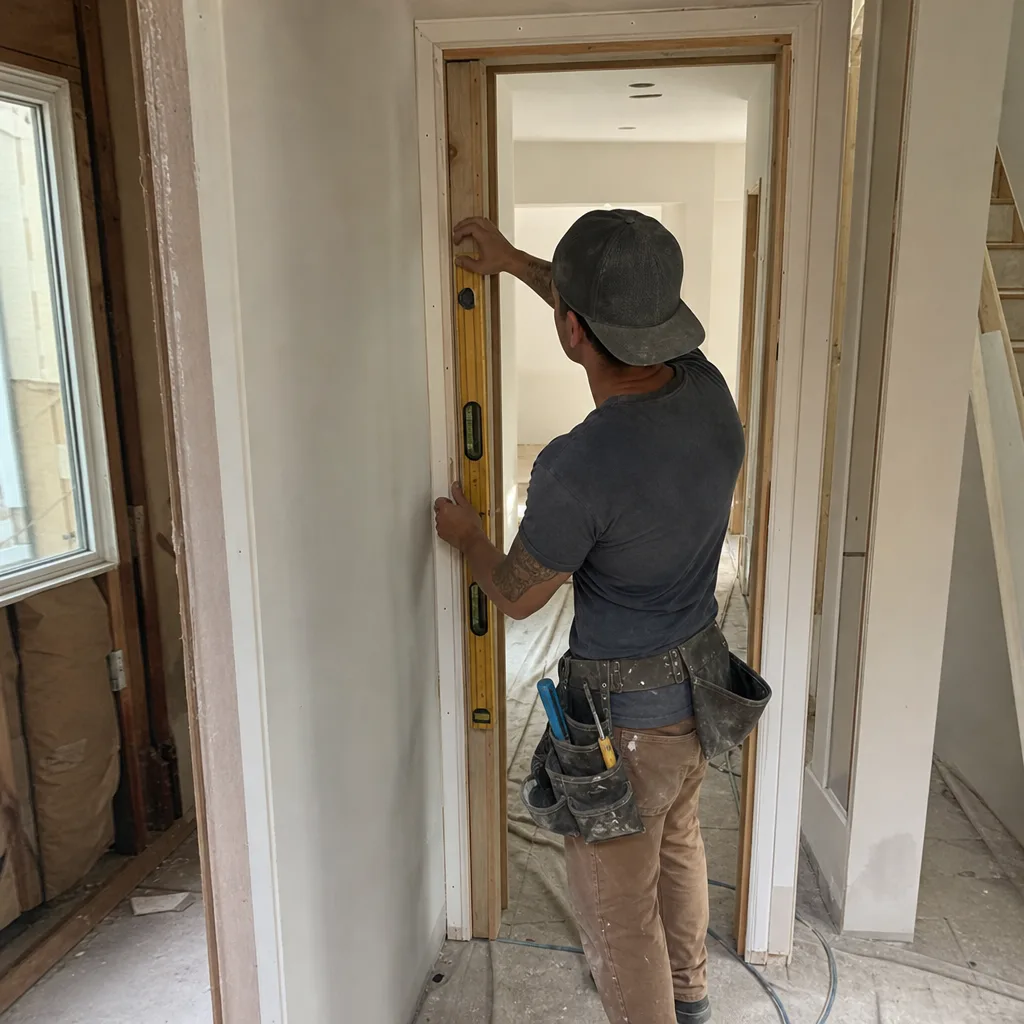
We are an independent remodeling contractor, not affiliated with Abodu. That matters because we can speak plainly about what these units do in San Francisco’s specific climate without a sales script. We’ve worked on Abodu structures from the Sunset District to Bernal Heights, and we know what the fog, the marine air, and the clay soil do to a modular connection joint over time.
Which Abodu Models This Applies To

Abodu produces factory-built ADU modules that get craned or trailered onto a San Francisco lot and joined to a foundation. The standard footprint we see most often is the one-bedroom unit, roughly 350 to 500 square feet, followed by studio and two-bedroom variants. The part most likely to fail is not the module itself. It is the interface: where module meets module, where module meets foundation, and where the roof membrane transitions from factory material to site-installed flashing.
We match parts by the serial plate and the module number, both of which Abodu affixes inside the mechanical closet or on the electrical panel cover. Photograph those two labels before you call. The aftermarket conversation for Abodu units is different from, say, a KraftMaid cabinet or a Cambria or Silestone countertop. Cabinet hinges and countertop seams have wide aftermarket support. Abodu-specific flashings, threshold extrusions, and module gaskets do not. For those, an OEM-sourced part or a fabricated-to-spec equivalent is the honest path. We stock the common fasteners, sealants, and threshold shims on the truck; model-specific extrusions are ordered and typically arrive within two business days.
One gotcha we encounter regularly: the site-built foundation in San Francisco often settles unevenly, especially in the Sunset and Richmond where the original soil is sand over clay. The module is fine. The connection is not. If a door suddenly rubs at the top corner six months after install, that is almost always settlement at the foundation interface, not a defect inside the Abodu module.
Styles & brands we work with







Signs Your Abodu Home Additions & ADU Is Failing
- Water staining at the ceiling-wall corner where two modules meet. The factory gasket between modules has compressed or the site-installed flashing above it was never lapped correctly. In San Francisco’s winter rain, this shows up fast.
- A door that sticks or swings open on its own. Foundation settlement or a shifted threshold. The module moved, the door frame did not. This is a shimming and re-anchoring fix, not a door replacement.
- Cold air moving through the module joint even with windows closed. The interior joint tape has delaminated or the exterior weather barrier has a gap. You’ll feel it before you see it.
- Cracking drywall in a straight vertical line at the same height on both sides of a room. This is the classic module connection joint working in the wind. It’s cosmetic, but it means the seam dress was never floated with adequate movement tolerance.
- A soft spot or bounce in the floor near the exterior door. Water has been getting past the threshold seal and sitting on the subfloor. By the time you feel the bounce, the repair is no longer a simple threshold swap.
See the difference
 Before
 After
After Before
 After
After Before
 After
AfterReplacement Cost & What’s Included
We write a line-item price before any work starts, and the price does not move once the crew begins. That is a Cedarwell Care Promise standard, and it applies to a small threshold repair just as much as a full module re-dress.
Here are the San Francisco market ranges we quote from:
- Full Abodu home addition replacement: $53,100 – $153,400
- ADU construction (new ground-up): $106,200 – $259,600
- Garage conversion to living space: $35,400 – $94,400
- Single module joint re-dress (typical repair): $4,000 – $9,000
- Threshold seal replacement with subfloor repair: $2,500 – $6,000
Every repair includes shoe covers and drop cloths in the unit, a photo of the clean-up before we leave, and a written description of exactly what we used. The 365-Day Done Right Promise covers the repair: if it is not done right, we make it right, on our time and our dime. No squinting at the fine print.
DIY or Call Us?
You can check the serial plate labels. You can photograph the crack, the stain, the gap. You can test the threshold with a garden hose on a dry day to confirm where water enters. That is genuinely helpful information for us, and it speeds up the estimate.
What we would not do on your own is open the module joint. The gasket and flashing detail is under tension from the building’s own weight and movement, and a mis-cut flashing in a San Francisco winter storm turns a $800 repair into an $18,000 water damage event. We have re-dressed enough module joints to know exactly how much movement allowance the seam needs. If you’re looking at a symptom on this page, call (831) 480-4497. We’ll walk the unit, find the cause, and write the price down in plain numbers before anything gets touched.
Graham Stein has walked hundreds of San Francisco job sites, and he still starts every repair the same way: he asks what the room needs to do, then figures out the rest from there.
FAQs

In San Francisco’s marine air, a factory-installed roof membrane on an Abodu unit should last 15 to 20 years before the site-flashed edges need re-dressing. The membrane itself holds up. It is the caulked and flashed transitions that begin to show wear at the 8 to 12 year mark. Call (831) 480-4497 for an inspection and a written estimate if you’re seeing water stains at the ceiling edges.
A failed module joint is almost always repairable from the outside without removing walls, floors, or the module itself. We open the exterior seam, replace the gasket or flashing, and re-dress the joint with proper movement tolerance. A full unit replacement is only the right call if water has been entering for years and the framing or subfloor is compromised beyond local repair.
A typical module joint re-dress takes two to three working days in San Francisco weather permitting. Threshold and flashing repairs are usually one day. We schedule around your quiet hours and protect the floors and surfaces from the first shoe cover to the final clean-up photo.
We stock common fasteners, sealants, threshold shims, and movement-tolerant joint tape on every San Francisco call. Model-specific Abodu flashings and gaskets are ordered to the unit’s serial plate and typically arrive within two business days. If we can name the part and write the price, you know exactly what you’re paying before we start.
Written by Graham Stein, Owner, Elmstead Remodeling San Francisco at Elmstead Remodeling San Francisco, serving San Francisco and nearby areas.


