
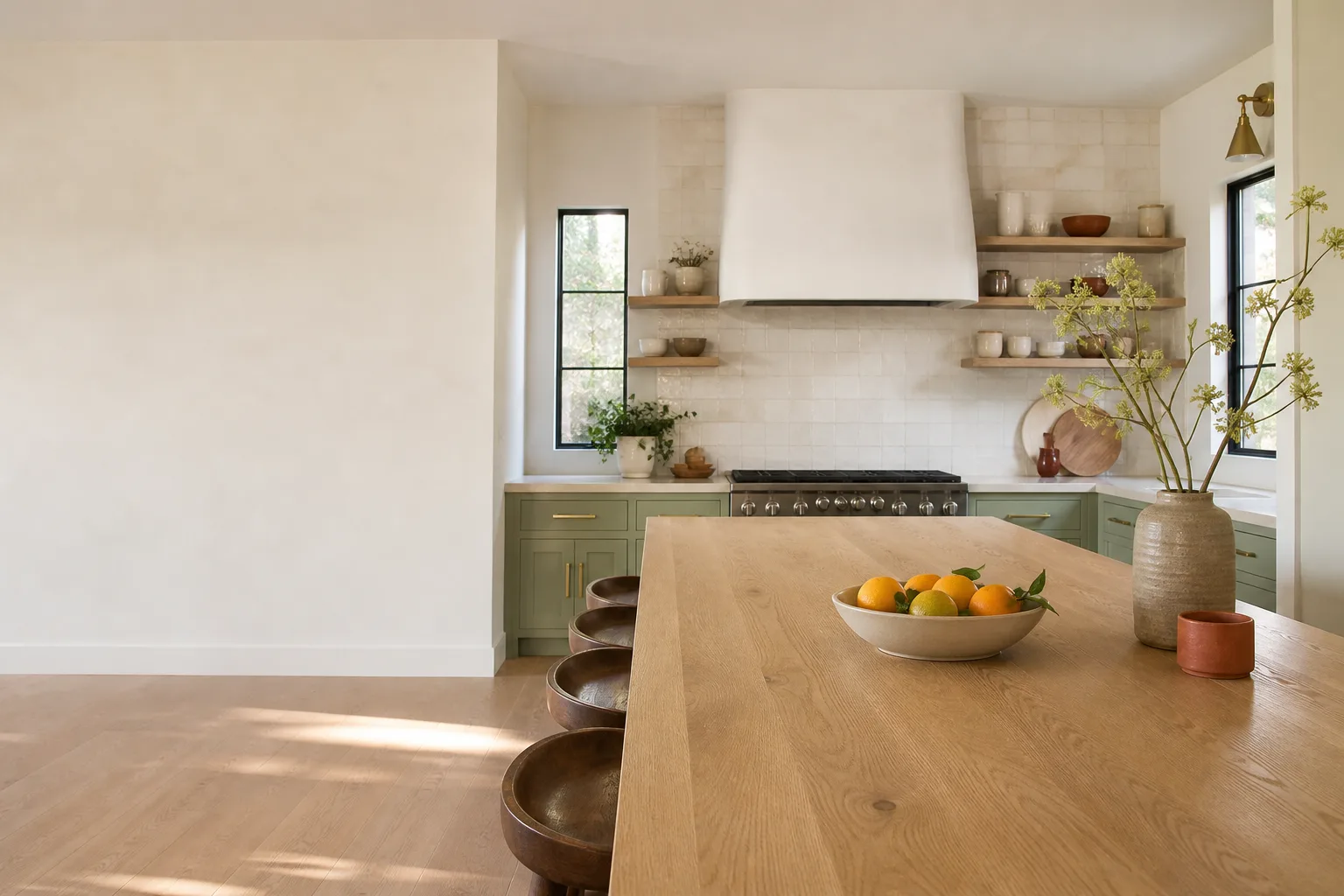








Free written scope consultation - allowances, timeline, and change-order rules on paper before a single trade is scheduled
Cambria Kitchen Remodeling: The San Francisco Owner’s Guide
If you have a Cambria countertop, island, or backsplash that’s chipped, cracked, stained, or pulling away from the wall, we can match your existing Cambria design and install the replacement. A full Cambria kitchen remodel in San Francisco typically runs between $16,520 and $53,100, and most countertop-only swaps land well under that. You’ll usually know something’s gone wrong in one honest moment: a heavy pot catches an edge, a water glass finds the seam, or you notice a hairline crack running from the sink cutout toward the front edge. No shame in it. Quartz is tough, but it isn’t titanium.
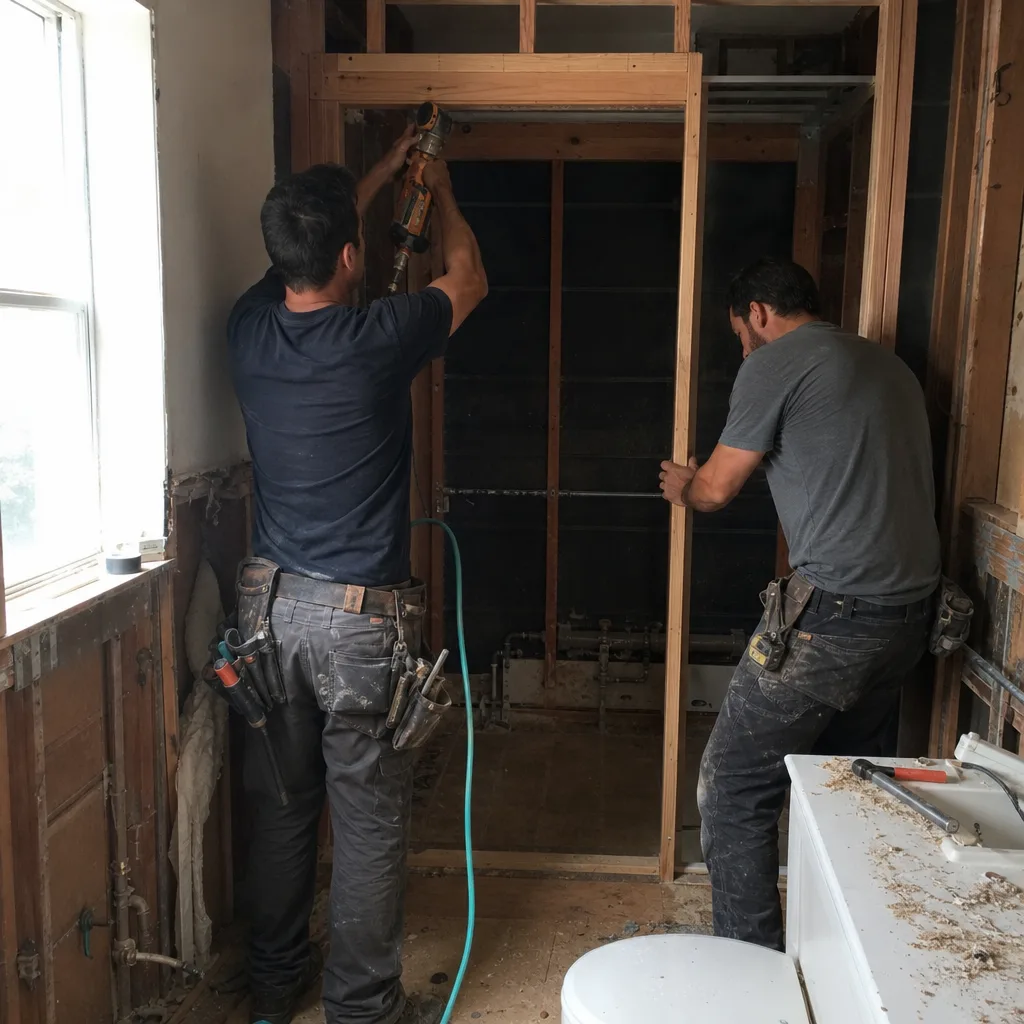
We’re Elmstead Remodeling San Francisco, an independent contractor, not a Cambria corporate affiliate. That matters because our job is to give you the straight answer on what a repair costs and whether replacing makes more sense. Graham Stein, our owner, has spent nearly three decades on California job sites and writes every cost down before a single tool touches your floor.
Which Cambria Models This Applies To

Cambria’s quartz surfaces come in dozens of design collections, but the replacement logistics stay consistent across all of them. We work with the full Cambria line: the Marble, Quartz, Granite, Concrete, and Artistic Series, plus newer matte-finish designs. Each Cambria slab carries a unique lot identification, and because every batch of quartz is mixed separately, two slabs of the same named design can differ slightly in veining and tone. That’s the first compatibility gotcha: if you’re replacing one section of countertop, we match the replacement piece to your existing slab’s lot whenever possible. If the original lot has been discontinued, we’ll need a small sample of your current surface to get the closest live match.
The second gotcha involves thickness. Cambria slabs are produced in 1 cm, 2 cm, and 3 cm profiles, and your replacement needs the same profile or the visual weight of the edge will change. Most San Francisco kitchens are built on 3 cm Cambria. The third gotcha is the edge profile: Cambria ships in standard eased, bevel, radius, and ogee profiles, and we match your existing edge so the replacement doesn’t announce itself. For the OEM-versus-aftermarket decision: Cambria is the OEM here. Aftermarket quartz from Silestone or Caesarstone can work visually, but the warranty and the design lot match are cleaner when you stay inside the Cambria family. We stock Cambria, Silestone, and Caesarstone, and we’ll tell you honestly which one your project actually needs.
Styles & brands we work with







Signs Your Cambria Kitchen Remodeling Is Failing
- Hairline cracks radiating from the sink cutout or cooktop opening. This is the classic failure point on quartz. The corner of a cutout concentrates stress, and a hot pan placed at the edge or a heavy impact creates a crack that runs toward the slab edge.
- Chips along the front edge, especially near the dishwasher. Quartz edges are durable but they can chip when a heavy glass or pot hits at just the wrong angle. The dishwasher area sees the most traffic because it’s where people stack and unstack.
- Seam separation at the island or peninsula. San Francisco homes settle, and older Victorians and Edwardians move more than people expect. That movement can make a seam open slightly or create a height difference you can feel with a thumbnail.
- Staining or clouding around the faucet deck. Quartz resists staining better than granite, but hard water deposits around the faucet and soap dispenser can etch into the surface over time, leaving a cloudy ring that won’t clean off.
- Countertop pulling away from the wall or cabinet base. This shows up as a visible gap at the backsplash line or a counter that feels springy when you press on it. Usually it’s failed silicone or a shifting cabinet, and it’s worth addressing before the slab cracks.
See the difference
 Before
 After
After Before
 After
After Before
 After
AfterReplacement Cost & What’s Included

Countertop installation in San Francisco runs $2,360 to $7,670 for a standard Cambria slab replacement with a simple eased edge. If the countertop job is part of a larger Cambria kitchen remodel, expect the whole project to land between $16,520 and $53,100 depending on the scope: cabinet count, island size, backsplash square footage, and whether we’re moving plumbing or electrical. Small kitchen remodels in our market run $10,620 to $23,600. Backsplash installation adds $945 to $2,950. A kitchen island installation runs $3,540 to $11,800.
Every Cambria quote we write is a written price you see before any work starts. That price includes the slab, fabrication, delivery, tear-out of the old surface, installation, silicone and seam work, and the photo we take of the clean-up before the crew leaves. It also includes the 365-Day Done Right Promise: if something isn’t right after the job is done, we make it right.
DIY or Call Us?
What you can safely check yourself: whether a seam has opened, whether a chip is purely cosmetic, and whether a stain is surface-level or etched in. A stone-safe cleaner and a soft cloth are fine. What you should not attempt is removing, cutting, or resetting quartz yourself. A full Cambria slab weighs hundreds of pounds. A 3 cm slab that tips during a demo can pin a leg or take fingers. Cutting quartz also produces silica dust, which is a serious lung hazard without proper respiratory protection and wet-cutting equipment. We use templating, water-fed cutting, and a two-person minimum on every slab move.
If you want a professional eye on a chip, crack, or seam, call us at (831) 480-4497. We’ll come look, tell you what we’d do, and hand you a written price. If the answer is a $300 seam repair instead of a $4,000 slab replacement, we’ll tell you that too.
FAQs
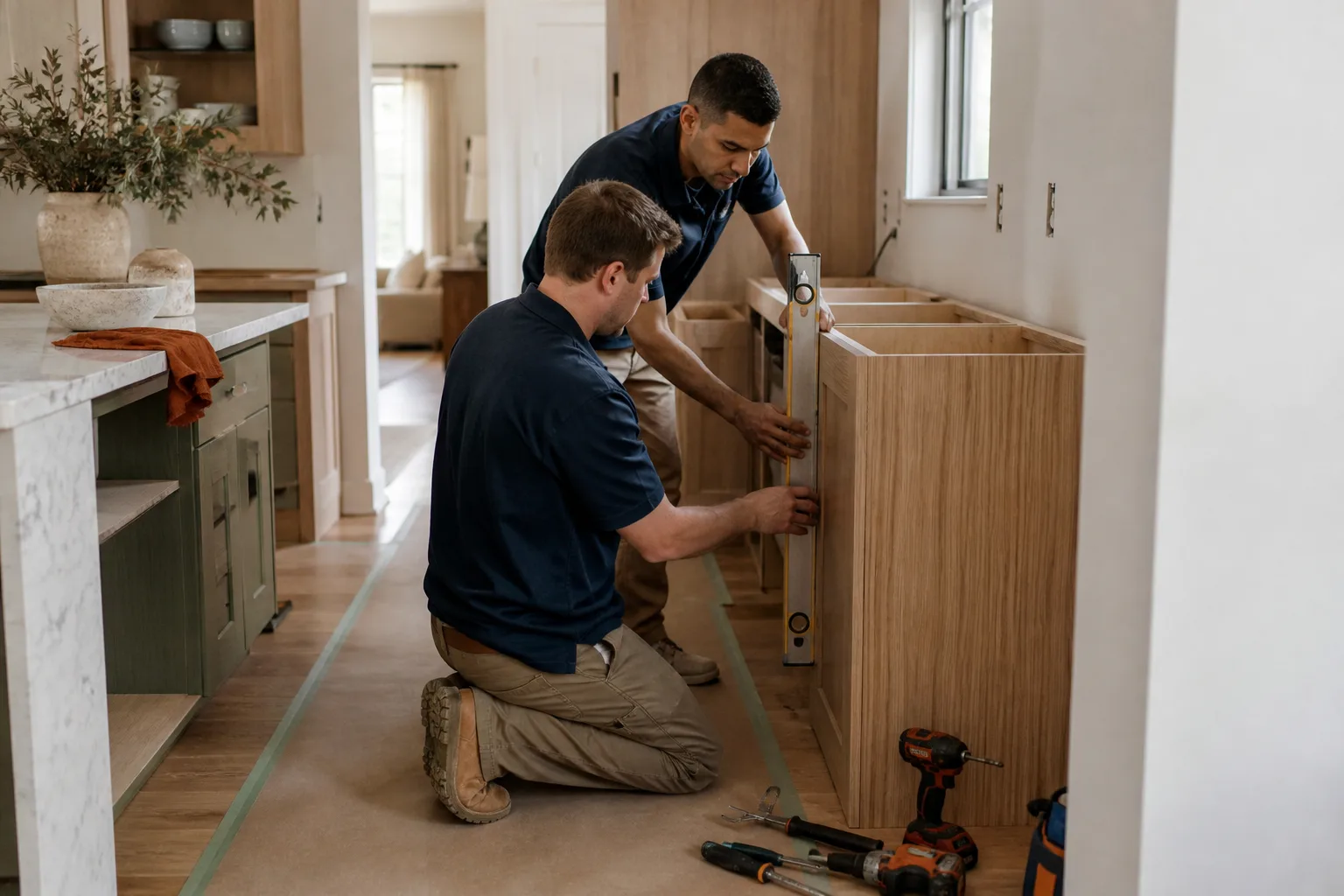
A properly installed Cambria quartz countertop typically lasts 20 to 30 years or more with normal use. San Francisco’s mild climate works in your favor: no freeze-thaw cycles and no extreme heat, so the main threats are mechanical impact and hard water, not weather.
If your countertop is chipped or cracked, call (831) 480-4497 and we’ll give you an honest read on whether it’s worth repairing or replacing.
Small edge chips can often be filled and polished to the point where you’ll forget they happened, and a pro can make a cosmetic repair nearly invisible. A structural crack that runs through the slab is a different story: quartz doesn’t re-bond, so patching a load-bearing crack usually buys time, not permanence.
Bring us a photo or call (831) 480-4497 and we’ll tell you which category your damage falls into before you spend a dollar.
A standard countertop-only swap takes 2 to 4 days from template to finish: one day for templating, a few days for fabrication, and one day for removal and installation. A full Cambria kitchen remodel in San Francisco typically runs 4 to 8 weeks depending on cabinet and island scope.
We’ll give you a schedule in writing before the job starts, and we set quiet hours so your family can live in the house while we work.
We order Cambria slabs per project, matched to your existing lot when possible, and fabricated to your exact measurements and edge profile. That’s better than a stocked slab, because it means the stone was selected for your specific kitchen, not whatever was sitting in a yard.
Call (831) 480-4497 to talk through your project and get a written price.
Written by Graham Stein, Owner, Elmstead Remodeling San Francisco at Elmstead Remodeling San Francisco, serving San Francisco and nearby areas.


