









Free written scope consultation - allowances, timeline, and change-order rules on paper before a single trade is scheduled
CertainTeed Home Additions & ADU: The San Francisco Owner’s Guide
CertainTeed home additions and ADU projects in San Francisco typically run $53,100 to $153,400 for a complete build, depending on square footage, site access, and finish level. We stock and install CertainTeed-compatible siding, trim, insulation, and drywall products as part of every addition we frame, and we can usually begin site work within a few weeks of permit approval. Most San Francisco homeowners discover they need this page when a planned addition hits a wall: the CertainTeed siding they specced isn’t available locally, the insulation specified on their plans doesn’t meet San Francisco’s Title 24 energy requirements, or a prior contractor used mismatched CertainTeed series components that now need to be brought into spec before the addition can pass inspection.
Which CertainTeed Models This Applies To

CertainTeed doesn’t make a single “home addition” product. The brand spans several product families that get used in San Francisco additions and ADUs, and compatibility depends on matching the series to the application. Here’s what we see on job sites across the city:
- CertainTeed Vinyl Siding: The Monogram and CedarBoards lines are the two most common in San Francisco additions. Monogram is a double 4-inch clapboard profile; CedarBoards is a wider 7-inch insulated profile. The two series use different starter strips and J-channel profiles. If your existing house has Monogram and the ADU gets CedarBoards, the transition at the bump-out will show a visible step in profile. That’s the kind of detail we flag during the estimate, not after the walls are up.
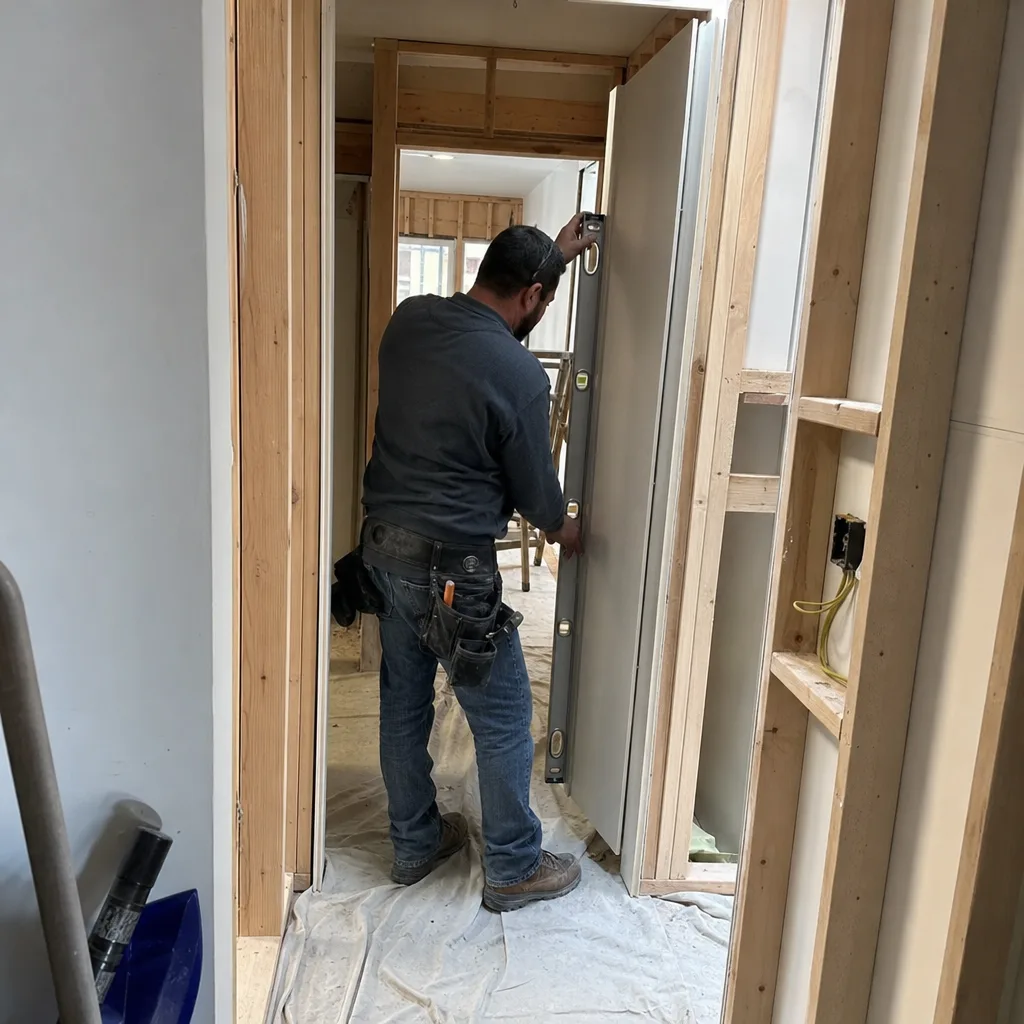
- CertainTeed Drywall: Their Type X fire-rated panels (5/8-inch) are required at the wall between a primary residence and an attached ADU per California Building Code. Lighter 1/2-inch panels work for interior partitions where fire rating isn’t required. Using the wrong panel at the ADU separation wall is one of the most common correction notices we see from San Francisco DBI inspectors.
- CertainTeed Insulation: The Sustainable Insulation fiberglass batts and the SMARTBATT line are both common in San Francisco additions. SMARTBATT is more expensive but helps with the moisture and fog climate in the Sunset and Richmond, where the marine layer keeps stud cavities damp for months. A standard batt installed without a vapor consideration in those neighborhoods will underperform.
- CertainTeed Roofing: If your addition ties into an existing CertainTeed roof, matching the shingle series matters. Landmark, Landmark Pro, and Presidential Shake have different profiles and weights. A mismatched shingle on a highly visible San Francisco roof slope will be obvious from the street.
OEM versus aftermarket: for CertainTeed drywall and insulation, we specify CertainTeed directly because the material cost difference is small and the spec sheet matches what the plan checker already approved. For siding accessories like J-channel and corner posts, we’ve used quality aftermarket equivalents from reputable suppliers without issue, but we always confirm the profile matches before ordering. The wrong J-channel bends in the wrong places, and the fix is pulling siding off the wall.
Styles & brands we work with







Signs Your CertainTeed Home Additions & ADU Is Failing
- Visible gaps at siding seams or corner posts. CertainTeed vinyl siding expands and contracts with temperature swings, and San Francisco’s fog-to-sun cycles stress the laps more than a dry, stable climate would. If the siding was installed too tight to the nailing flange, the panels can’t float, and gaps open at the butt joints. This is an installation failure, not a product defect, and it means water is getting behind the siding where you can’t see the rot starting.
- Drywall cracks at the addition-to-house transition. The vertical seam where new framing meets old framing moves differently. If the original contractor didn’t install a proper control joint or used paper tape instead of mesh at that transition, a straight-line crack will appear within the first two years. CertainTeed drywall itself won’t cause this, but the joint treatment at the transition is where we see failures on San Francisco additions that were rushed.
- Condensation on the interior walls of an ADU built with uninsulated CertainTeed panels. If someone built an unpermitted garage conversion using CertainTeed drywall but skipped the insulation between it and the exterior wall, the interior face gets cold enough to condense water. You’ll see it first at the bottom plate line in the morning. In San Francisco’s fog zones, this is a mold concern within a season or two.
- Sagging or stained CertainTeed ceiling panels under a roof tie-in. If the roof flashing at the addition-to-existing-roof connection was done quickly, water tracks along the truss and stains the drywall in a line. The stain might dry between rains, but the drywall is now compromised and will need to come out to fix the flashing properly.
- Insulation that has slumped inside the stud cavity. CertainTeed fiberglass batts are friction-fit, and if the installer compressed them into a cavity that was the wrong depth, they won’t spring back. In a San Francisco addition, that means thermal voids at the top of the wall. You can check with a thermal camera or by removing an outlet cover and looking up with a flashlight.
See the difference
 Before
 After
After Before
 After
After Before
 After
AfterReplacement Cost & What’s Included

For a full CertainTeed home addition or ADU in San Francisco, the range is $53,100 to $153,400. That’s the honest spread. A smaller bump-out addition in the Excelsior with basic finishes lands on the lower end. A detached ADU in Noe Valley with a full kitchen, bathroom, separate utility service, and hardscape around it lands on the higher end, and sometimes beyond if the site needs retaining walls or foundation shoring.
What’s included in our written price: all CertainTeed materials (siding, drywall, insulation, roofing as specified), labor, dump fees, permit costs, and a line-item breakdown for every single piece. We don’t lump materials into one number. You’ll see the CertainTeed product names and quantities on the page before you sign anything. The price we write is the price we build to. If we discover something the original plan didn’t show, we stop and talk to you before any work changes, and the new cost gets written down before the new work starts.
Our 365-Day Done Right Promise applies to every addition and ADU project. If something isn’t done right after we leave, we come back and fix it.
DIY or Call Us?
You can safely check three things on your own. First, look at the siding laps on a warm afternoon and see if any panels are binding. Second, look at the ceiling near the roof tie-in after a rain for any staining. Third, remove an outlet cover plate and see if there’s insulation visible in the stud cavity. Those checks tell us something without you touching any structure.
The dangerous parts of an addition or ADU are the ones that involve structural framing, electrical, gas, and load-bearing walls. Cutting into a wall to replace drywall might seem simple, but on an addition separator wall, that drywall is part of the fire rating. Pulling the wrong panel without knowing the assembly breaks the fire separation and creates a code violation an inspector will flag. If the addition has roof tie-ins, any ladder work near the roof line on a steep San Francisco lot should be left to a trained crew with harnesses and proper staging. Call (831) 480-4497 and we’ll come look for free, tell you what you’re actually looking at, and write down what it costs to make it right.
FAQs

CertainTeed vinyl siding carries a lifetime limited warranty against cracking, peeling, and fading, but the real-world lifespan on a San Francisco addition is 25 to 40 years depending on exposure. West-facing walls in the Outer Sunset and Richmond take more UV and fog-driven moisture than protected interior walls and will show aging sooner. The siding itself usually outlasts the installation details like J-channel and corner posts, which is why the original installation quality matters more than the product warranty.
Call (831) 480-4497 if you want us to walk your addition and tell you what’s aging and what’s failing. Estimates are free.
Most failed CertainTeed components can be repaired in place if the damage is caught early. A cracked siding panel can be swapped with a matching panel from a box we keep on hand for ongoing projects. A stained drywall section can be cut out, the flashing fixed behind it, and new CertainTeed drywall installed. The only time full replacement makes sense is when the failure has gone on long enough to rot the framing behind the product. That’s why we’d rather look at it now than in two years.
Call (831) 480-4497 for an honest read on whether it’s a repair or a replacement. The estimate is free.
Most San Francisco home additions take 4 to 7 months from the day the first permit is approved. ADUs run 6 to 10 months because of the separate utility work and the additional inspections. The permitting process itself, which runs through the San Francisco Department of Building Inspection, typically takes 3 to 6 months before construction can start. We set quiet hours during the construction phase so children can nap, and the crew wears shoe covers and lays drop cloths from the first day to the last.
Call (831) 480-4497 if you want a realistic timeline for your specific property. We’ll walk the project with you and tell you what’s actually involved.
We don’t keep full pallets of CertainTeed drywall or siding in a warehouse in San Francisco, because storage space in this city is expensive and the materials need to stay dry. We order per project after the plans are finalized, and we maintain a small on-hand stock of common repair items: CertainTeed Type X panels, J-channel, corner posts, and starter strips in the standard colors most San Francisco exteriors use. For a full addition or ADU, the materials are ordered about two weeks before we need them and delivered directly to the job site.
Call (831) 480-4497 to confirm whether what you need is on hand or needs an order. We’ll tell you straight before you commit.
If you have a CertainTeed home addition or ADU in San Francisco that isn’t performing, or if you’re planning one and want the materials, permits, and price handled by a crew that treats the house like a home, call us at (831) 480-4497. Graham Stein and the Elmstead Remodeling San Francisco team will walk the property, listen to what you actually need, and write down a price before any work starts. We also work with KraftMaid and Cambria cabinets and Silestone countertops when the addition includes a kitchen or bath, so the fixtures and surfaces match the quality of the structure around them.
Written by Graham Stein, Owner, Elmstead Remodeling San Francisco at Elmstead Remodeling San Francisco, serving San Francisco and nearby areas.


