









Free written scope consultation - allowances, timeline, and change-order rules on paper before a single trade is scheduled
James Hardie Home Additions & ADU: The San Francisco Owner’s Guide
James Hardie home additions and ADU projects in San Francisco typically run $53,100 to $153,400 installed, depending on square footage, foundation work, and whether you’re adding a ground-floor extension or a detached accessory dwelling unit. We keep HardiePlank lap siding, HardiePanel vertical siding, HardieTrim boards, and HardieSoffit on hand for the exterior envelope, which means the siding phase of your addition doesn’t stall while materials ship from a distributor. Most San Francisco owners discover they need this work when a permit application requires specific fire-rated siding on a property-line wall, or when an existing addition shows signs that the original siding was never properly flashed.
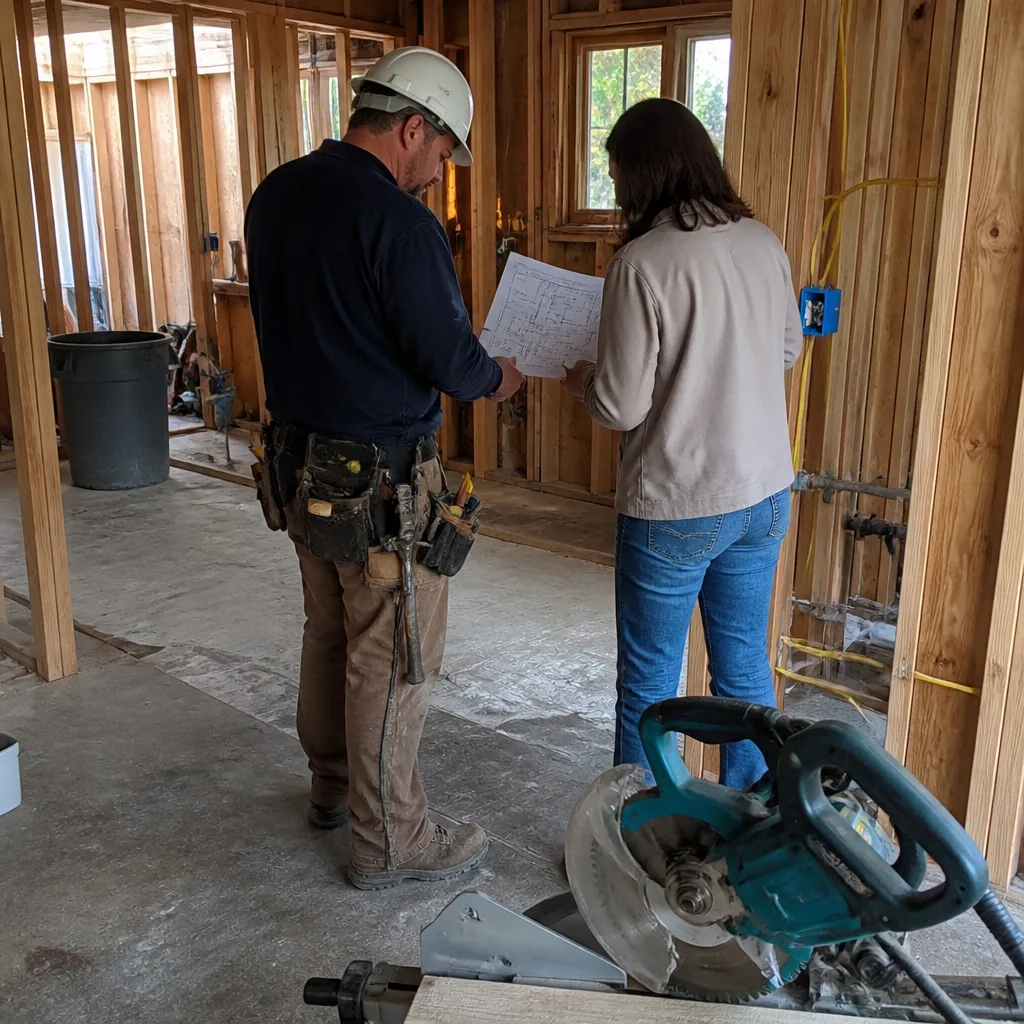
If you’re reading this because a previous contractor installed James Hardie product incorrectly, or because planning is pushing you toward non-combustible cladding on a tight lot, you’re in the right place. Graham Stein has been writing out every cost before a single tool touches the floor since he first started running crews in California, and he’ll tell you the same thing he tells every client: “Tell me what the room needs to do, and we’ll figure out the rest from there.”
Which James Hardie Models This Applies To

We install the full James Hardie exterior line on additions and ADUs throughout San Francisco: HardiePlank lap siding in 4-inch, 5.25-inch, 6.25-inch, and 7.25-inch exposures; HardiePanel in 4×8, 4×9, and 4×10 sheets for vertical or panel applications; HardieTrim in smooth and Cedarmill textures; and HardieSoffit in vented and non-vented profiles. The product your architect specified will appear on your permit drawings, but if you’re matching an existing house, we verify the current siding’s exposure and texture before ordering anything, because a 5.25-inch smooth lap is not interchangeable with a 6.25-inch Cedarmill lap when you’re tying an addition into the original structure.
One compatibility detail that catches San Francisco homeowners off guard: property-line walls under SF Building Code often require non-combustible cladding, and while James Hardie fiber cement qualifies, the specific product and fastening schedule must match the fire-rated assembly on the approved drawings. You can’t just swap in any fiber cement panel and call it done. As an independent contractor, Elmstead Remodeling San Francisco is not affiliated with James Hardie, but we’ve been installing their products long enough to know which series belongs on which wall type, and we pull and pass the inspections on every project.
For interior finishes on those additions, we also work with KraftMaid and Wellborn cabinetry, and Cambria or Silestone countertops when the scope includes a kitchen or bath.
Styles & brands we work with







Signs Your James Hardie Home Additions & ADU Is Failing
- Wicking at the bottom edge of the siding. When HardiePlank sits too close to grade or a roof surface, it pulls moisture upward. In San Francisco’s fog-heavy Sunset District, this reads as dark staining along the bottom course or crumbling at the cut ends. The fix is a new trim and clearance detail, not another coat of caulk.
- Cracks radiating from nail heads. Overdriven fasteners fracture fiber cement. You’ll see hairline cracks spreading from the nails in horizontal runs, usually within the first two or three years after installation. Those panels lose their wind rating and start letting water behind the weather barrier.
- Gaps opening at butt joints where caulk has failed. James Hardie specifies a gap between board ends that gets flashed, not caulked. When an installer fills that joint with sealant instead, the caulk eventually splits and you get a direct path for water into the wall cavity.
- Warping or sagging soffit panels. HardieSoffit on 24-inch framing without proper fastening will sag in high humidity. We see it most often in Richmond and Sunset district additions where marine air sits against the eaves for weeks at a time.
- Paint failure in under three years. Fiber cement should hold a quality acrylic finish for seven to fifteen years in San Francisco. Early peeling is almost always a sign the siding was installed without the required gap, or that cut edges were never primed before installation.
See the difference
 Before
 After
After Before
 After
After Before
 After
AfterReplacement Cost & What’s Included

Here’s what a James Hardie home addition or ADU project actually costs in San Francisco right now, based on the scope we quote most often:
| Project Type | Typical Range in San Francisco |
|---|---|
| Home Addition (interior + exterior envelope) | $53,100 – $153,400 |
| ADU Construction (detached, finished) | $106,200 – $259,600 |
| Garage Conversion to Living Space | $35,400 – $94,400 |
The range reflects square footage, foundation condition, site access, and whether the addition ties into existing systems or needs separate electrical and plumbing runs. A 400-square-foot addition on an existing foundation with simple gable framing sits at the lower end. A detached ADU with new utilities, fire-rated wall assemblies, and upgraded service panel runs toward the top. Every quote we write is a fixed price, in writing, before any work starts. You’ll see the line items for siding, trim, flashing, weather barrier, and the exact James Hardie products specified. If we install it, the 365-Day Done Right Promise covers it: if it’s not done right, we make it right.
DIY or Call Us?
Fiber cement is not vinyl. You can’t flex it into place, you can’t cut it with a utility knife, and you can’t hide a bad layout behind a corner trim. The safe DIY limit for a homeowner is measuring your existing exposure and confirming the product label before you call anyone, so you know what you have. After that, the work belongs in experienced hands: cutting fiber cement requires a diamond blade or specialized shears and proper dust control, and San Francisco’s fire-code requirements on property-line walls mean a homeowner who self-performs and gets it wrong will fail inspection and pay twice. If the boards on your existing addition are failing, call us at (831) 480-4497. Graham will walk the site, write the price down, and tell you exactly what the next two weeks look like.
FAQs

James Hardie fiber cement siding typically lasts 30 to 50 years when installed with correct clearances and painted on a normal maintenance schedule. San Francisco’s marine air and fog cycles shorten the paint cycle but not the board life, provided the bottom edge stays at least 6 inches off grade and 2 inches off roof surfaces. Call (831) 480-4497 if you want us to check your existing clearances during a site walk.
Isolated cracked boards and failed butt joints can often be replaced without taking down the whole wall, provided the underlying weather barrier is still intact. When water has reached the framing or the fastening pattern is wrong throughout, a full re-side is the honest answer. We’ll show you the difference with photos before you spend a dollar.
A ground-floor addition in San Francisco typically takes 4 to 8 months from permit submission to final inspection, depending on scope and city review times. A detached ADU runs 6 to 12 months. The James Hardie siding phase itself is usually 2 to 4 weeks of that timeline.
We keep common HardiePlank exposures, HardiePanel sheets, HardieTrim in smooth and Cedarmill, and HardieSoffit in our inventory so the exterior phase doesn’t wait on distributor lead times. For less common colors or profiles, we order from Bay Area James Hardie distributors, and we write the expected delivery date into your schedule before we start.
Ready to price your addition or ADU? Call (831) 480-4497 and a real person answers, 24/7. We’ll schedule a free estimate, walk the site with you, and put the price in writing before any work begins.
Written by Graham Stein, Owner, Elmstead Remodeling San Francisco at Elmstead Remodeling San Francisco, serving San Francisco and nearby areas.


